Promoting sustainable natural resource management, productive rainfed agriculture and community-led development across the Himalayan region of Uttarakhand.
The Uttarakhand Decentralized Watershed Development Project (Gramya-II) was implemented across eight districts of Uttarakhand with the objective of improving the efficiency and sustainable utilization of natural resources and enhancing the productivity of rainfed agriculture through active community participation in selected micro-watersheds.
SPD served as a Facilitating NGO (FNGO) for the implementation of the project in five watershed divisions of the Garhwal Region for an initial period of five years, which was subsequently extended by an additional two years.
Through participatory planning, institution building and community-driven interventions, the programme sought to strengthen local ownership and create sustainable development outcomes.
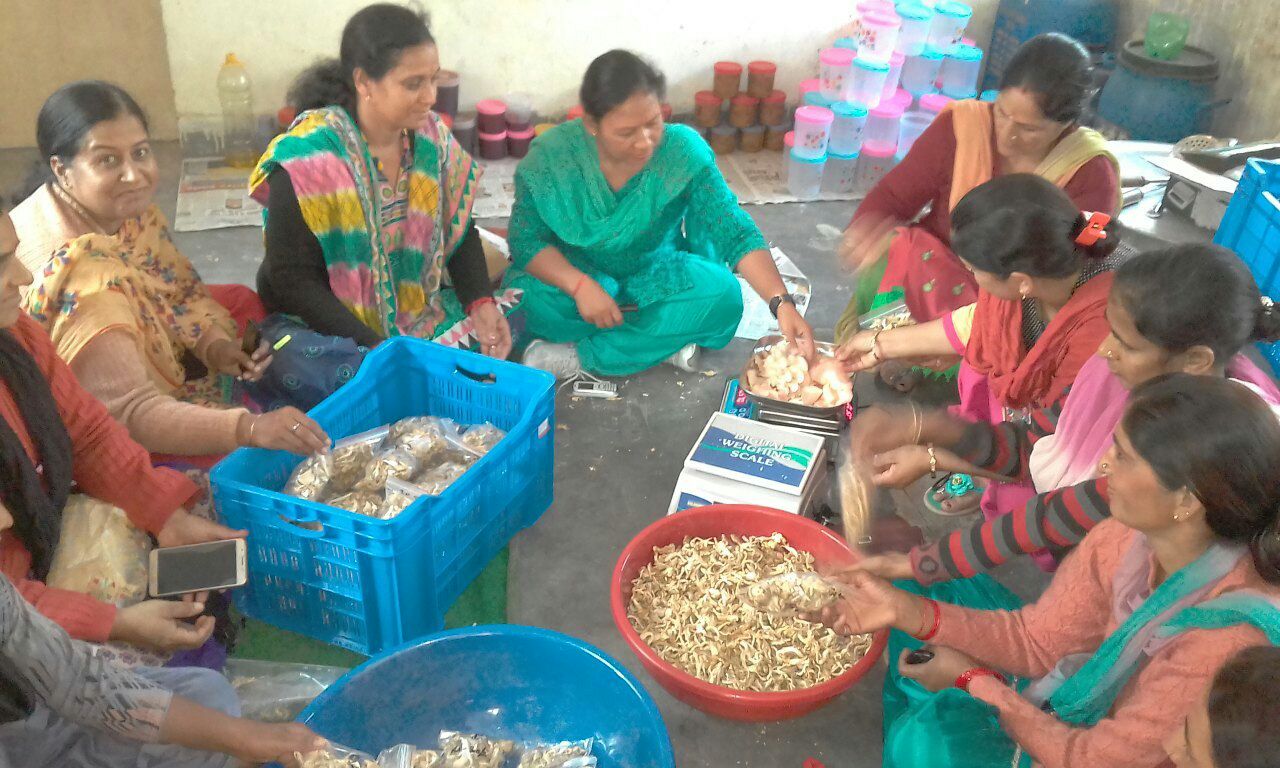
The project covered a substantial network of villages, Gram Panchayats and watershed divisions through a participatory development approach.
SPD facilitated participatory and community-driven activities designed to strengthen local institutions, inclusive decision-making and sustainable livelihoods.
Participatory Rural Appraisal (PRA) was used to engage communities in understanding local needs, resources, challenges and development priorities.
SPD supported the formation and strengthening of Watershed Management and Monitoring Committees and Revenue Village Committees.
Women's Aam Sabhas provided opportunities for women to participate in planning, decision-making and development processes.
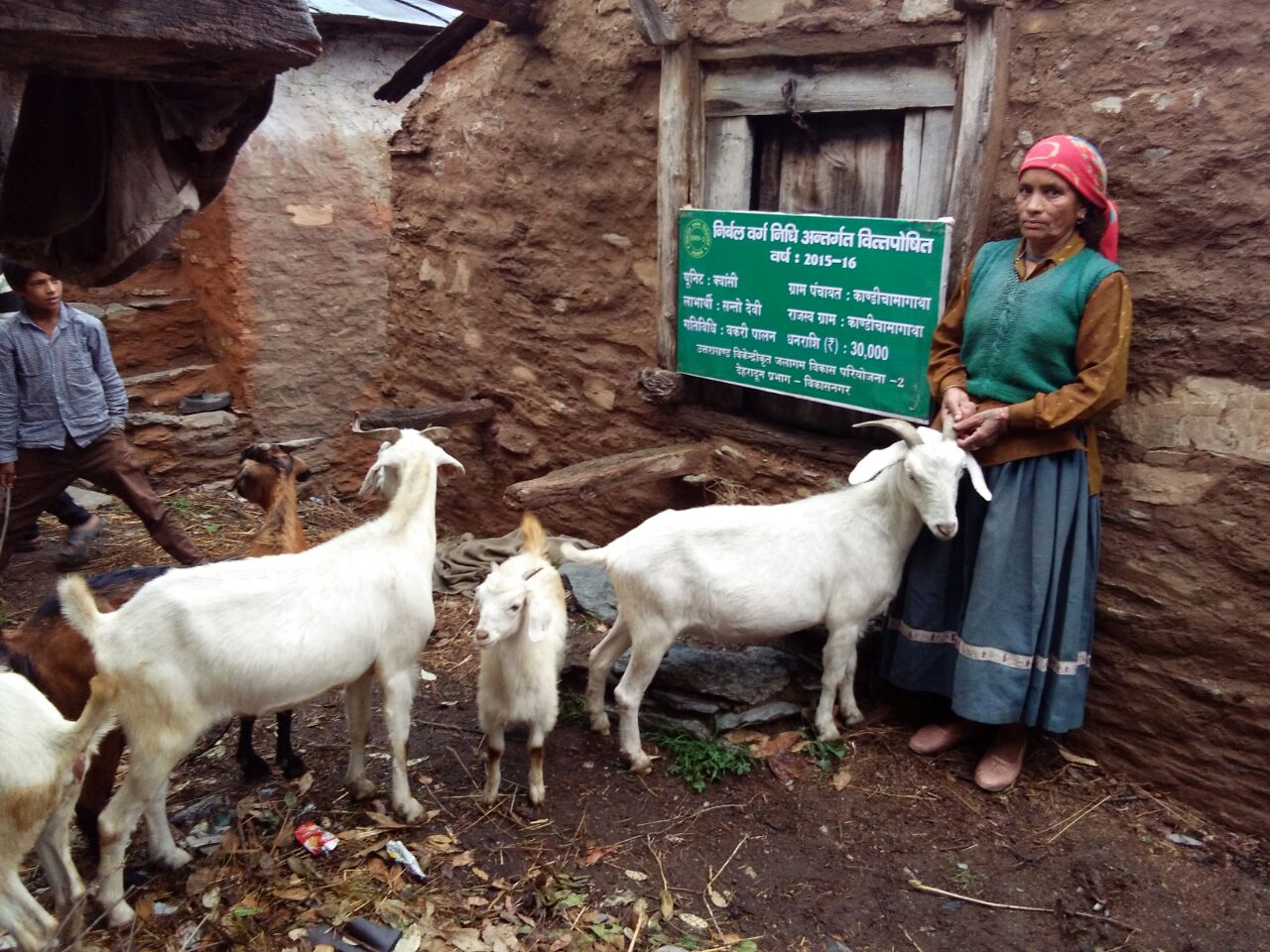
Vulnerable households were identified and selected for livelihood support to strengthen their economic opportunities.
User Groups were formed to encourage community participation and collective responsibility for local resources and project activities.
Communities participated in monitoring and evaluation of project interventions, strengthening ownership and accountability.
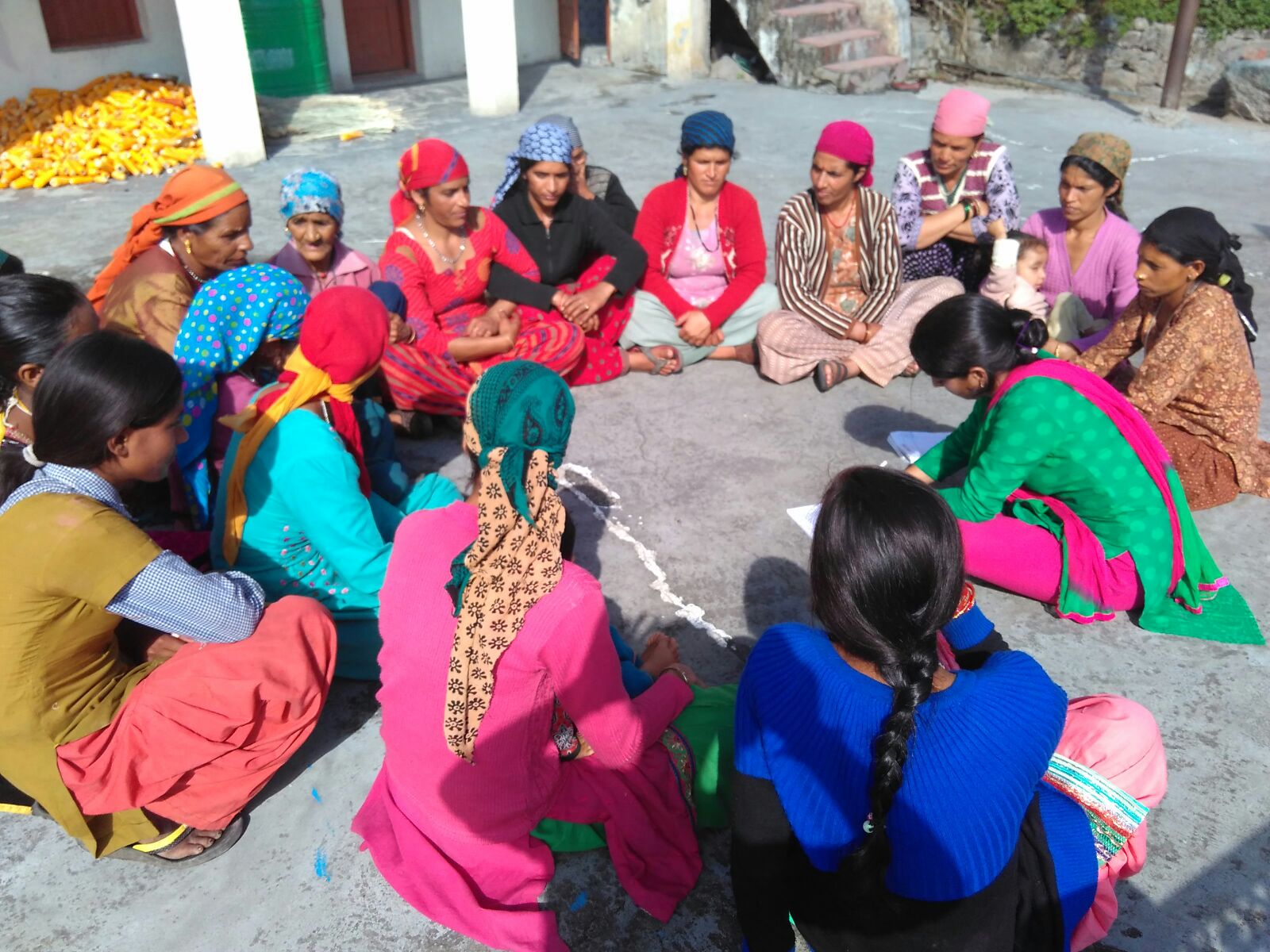
As part of its implementation responsibilities, SPD facilitated a range of participatory and community-driven interventions aimed at strengthening local institutions, promoting inclusive decision-making and improving livelihood opportunities.
The approach sought to strengthen community ownership of natural resource management while building the capacities of local institutions for sustained development outcomes.
SPD initially served as a Facilitating NGO for five years, with the project subsequently extended by an additional two years.
The project connected natural resource management, agricultural productivity, local institutions and livelihood opportunities.
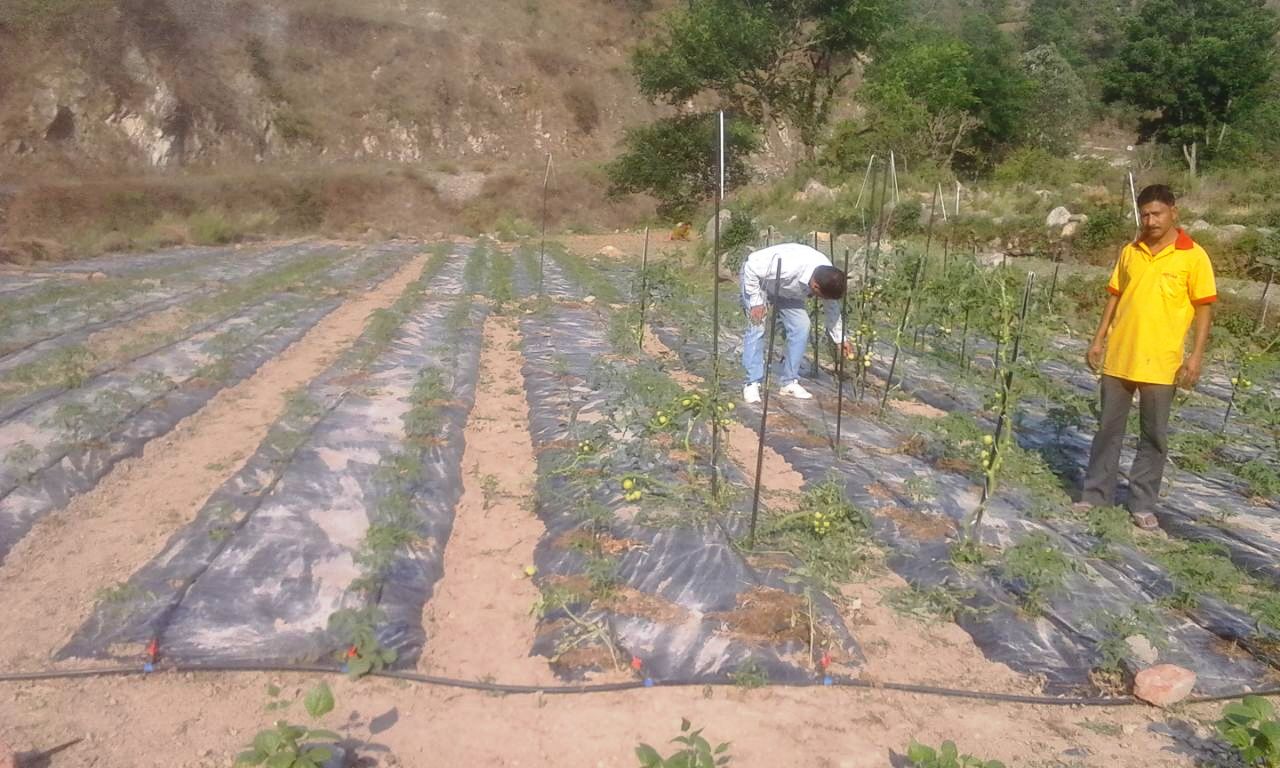
Enhancing the productivity of rainfed agriculture through better management and sustainable utilization of natural resources.
Improving the efficiency and sustainable utilization of the natural resource base through community participation.
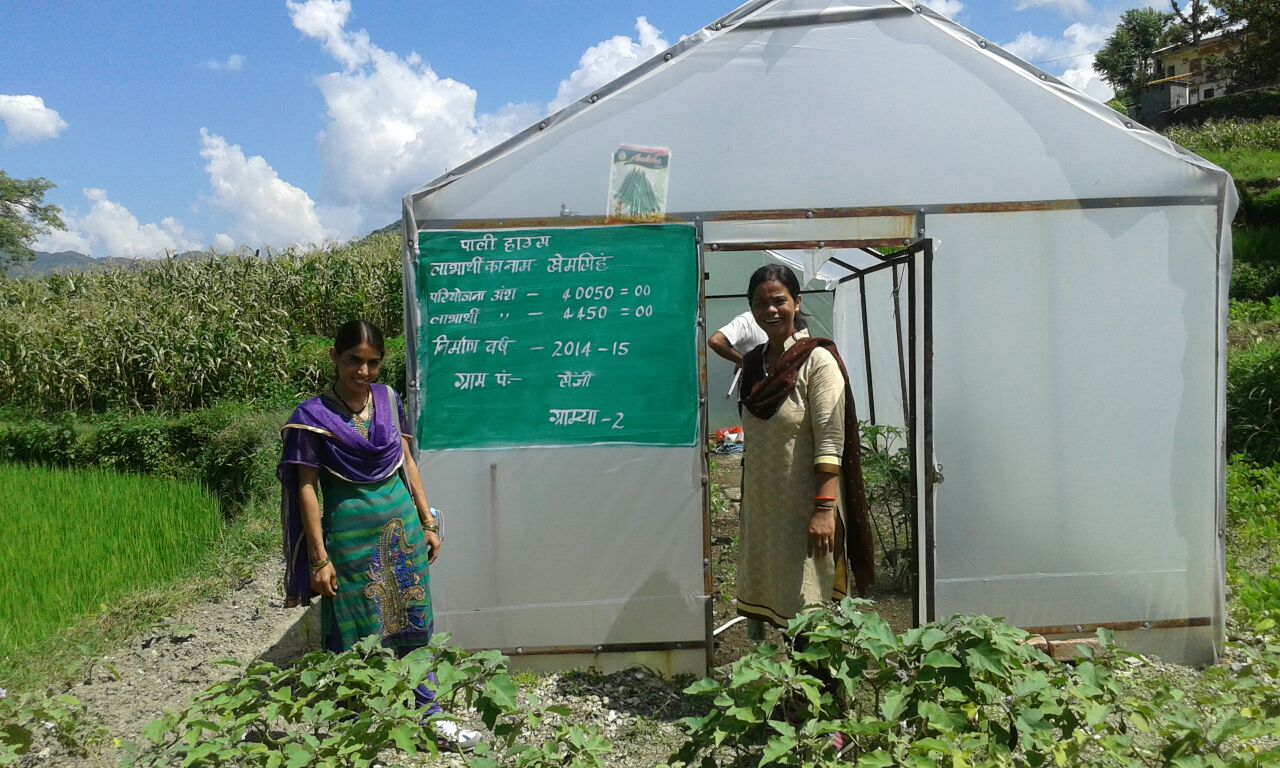
Promoting livelihood opportunities, particularly for vulnerable households participating in the programme.
Click any photograph to open the full-size image. Replace these sample photographs with actual SPD watershed programme photographs.
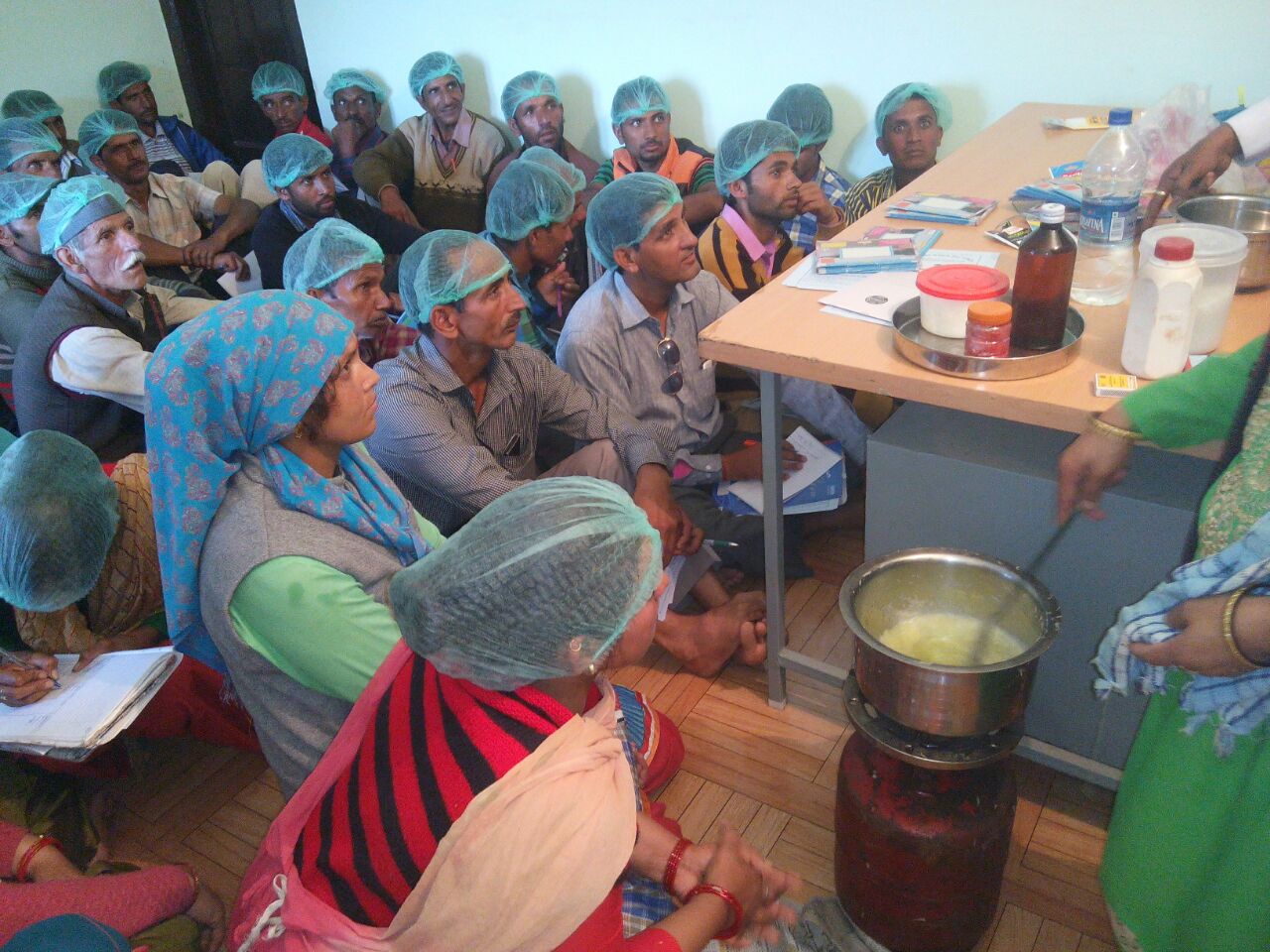
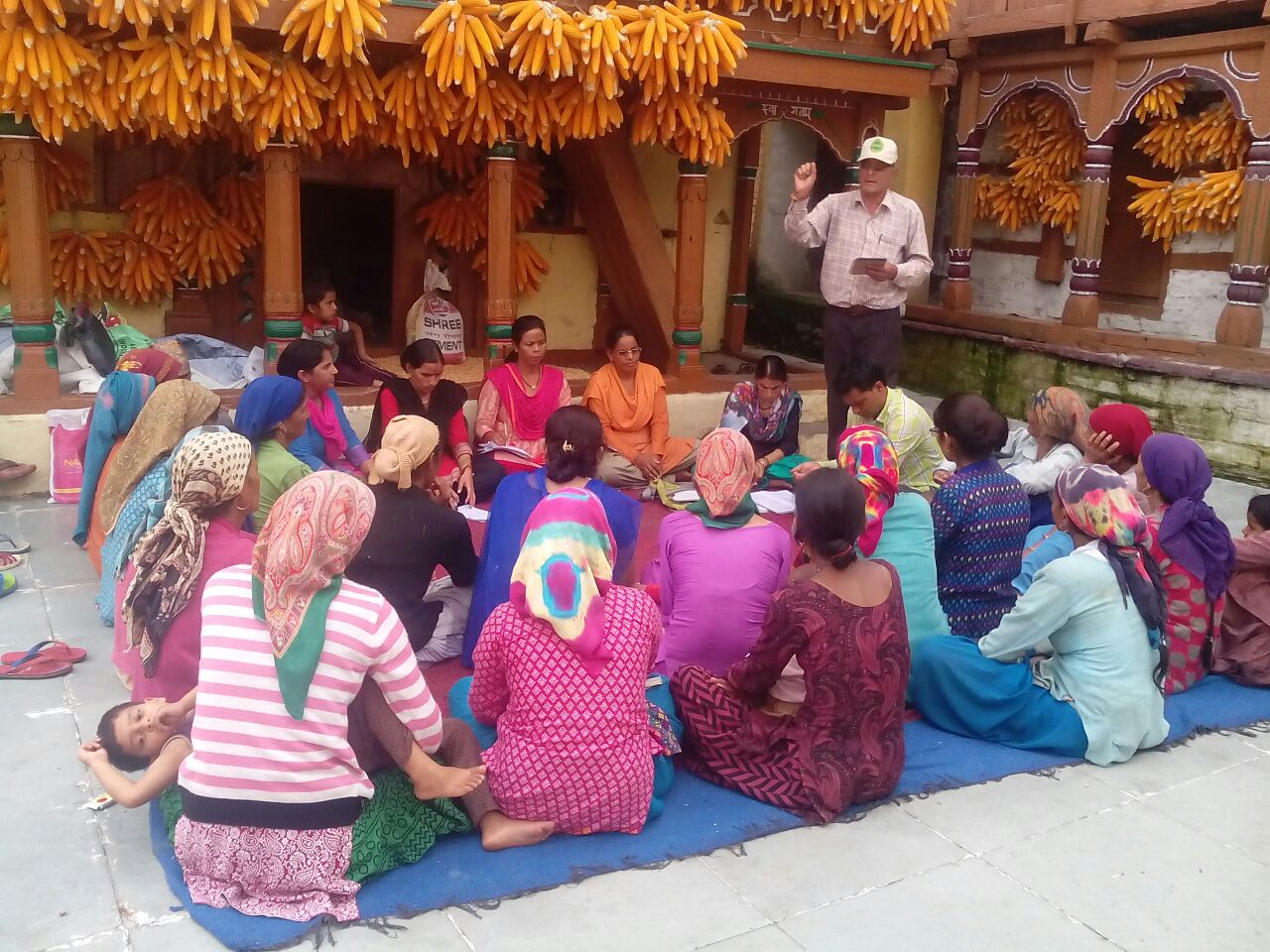
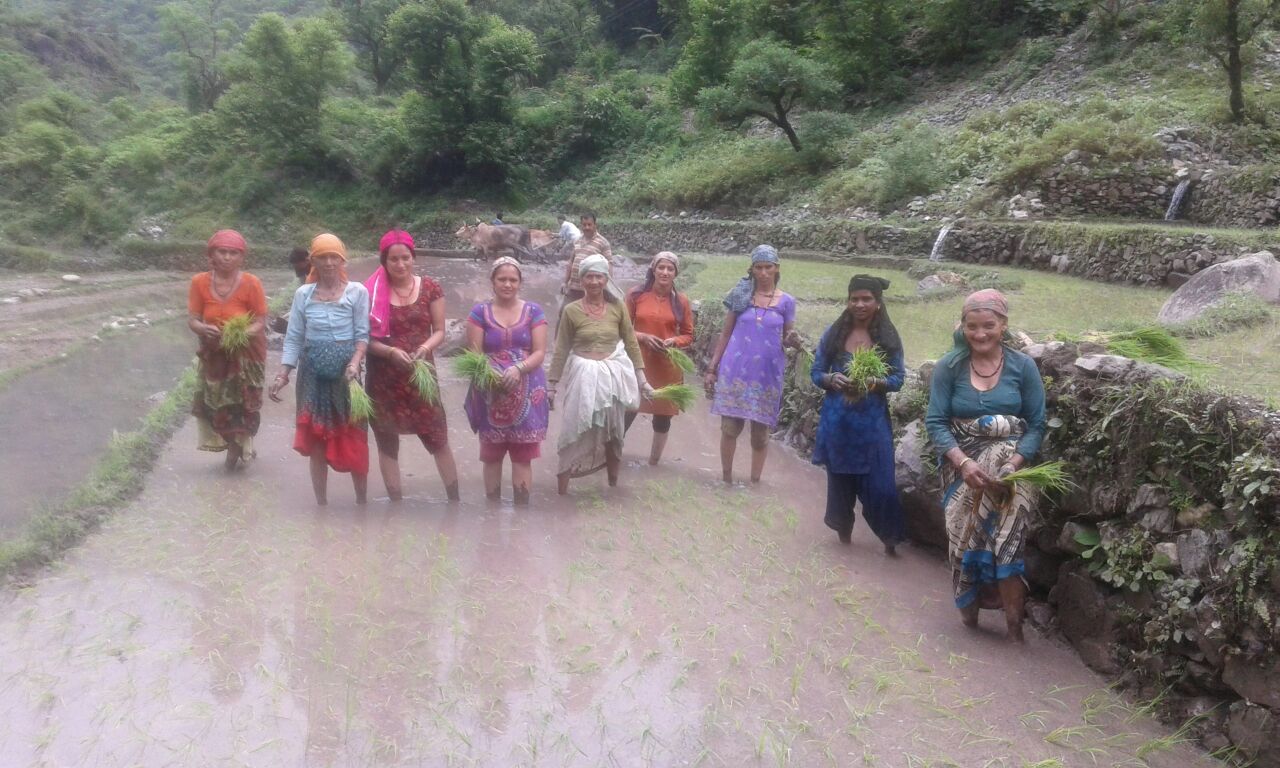
Strengthening natural resources, agriculture and community institutions for sustainable development.