
Protecting Himalayan ecosystems through community-led conservation, watershed management, forest restoration and sustainable natural resource management.
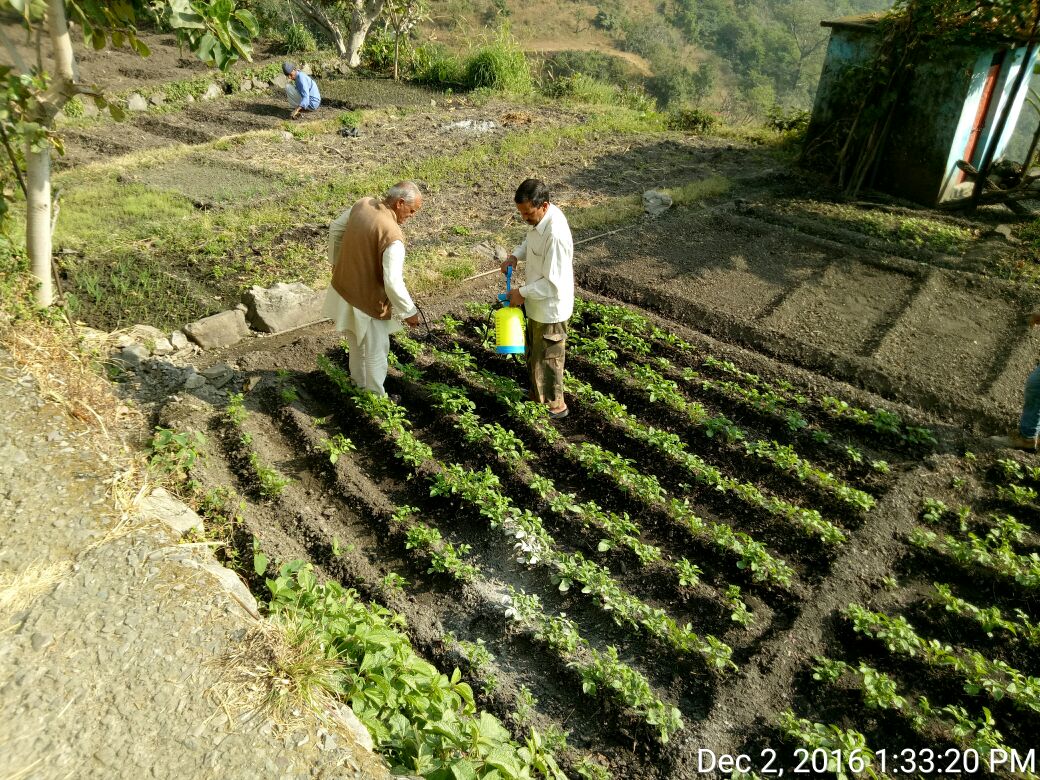
Over the years, SPD has made significant contributions to the conservation and sustainable management of Himalayan biodiversity in Uttarakhand through a range of watershed, forest and natural resource management initiatives.
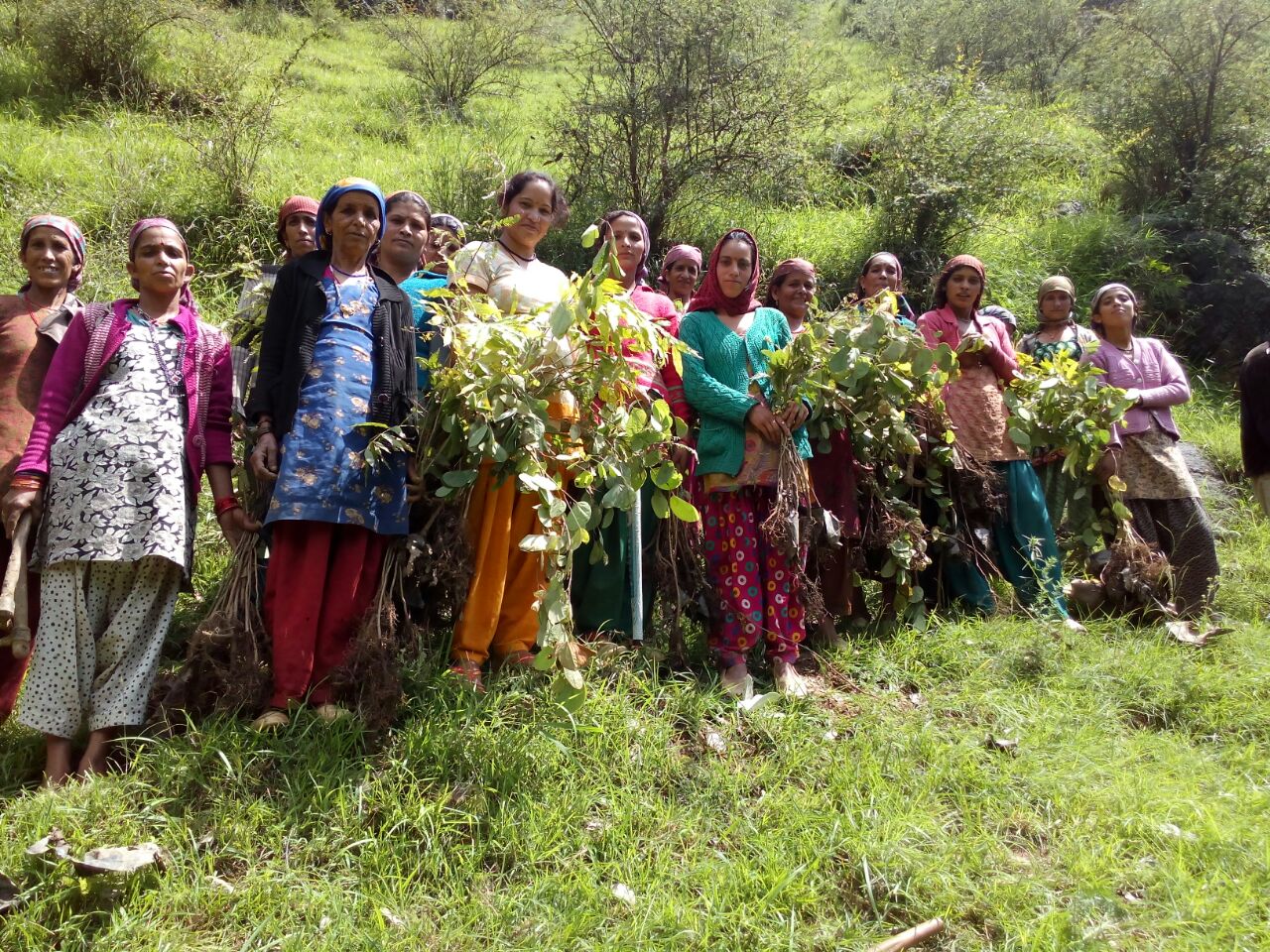
These interventions adopted a community-centric approach, mobilizing and empowering local communities to actively participate in the protection and sustainable management of natural resources.
The approach recognizes that the long-term conservation of Himalayan ecosystems depends on the participation, knowledge and stewardship of communities who live alongside these natural resources.
By combining ecological restoration with sustainable livelihoods, SPD has worked to strengthen both environmental resilience and community well-being.
SPD has implemented and supported a range of initiatives focused on watershed management, forest conservation, biodiversity and sustainable natural resource use.
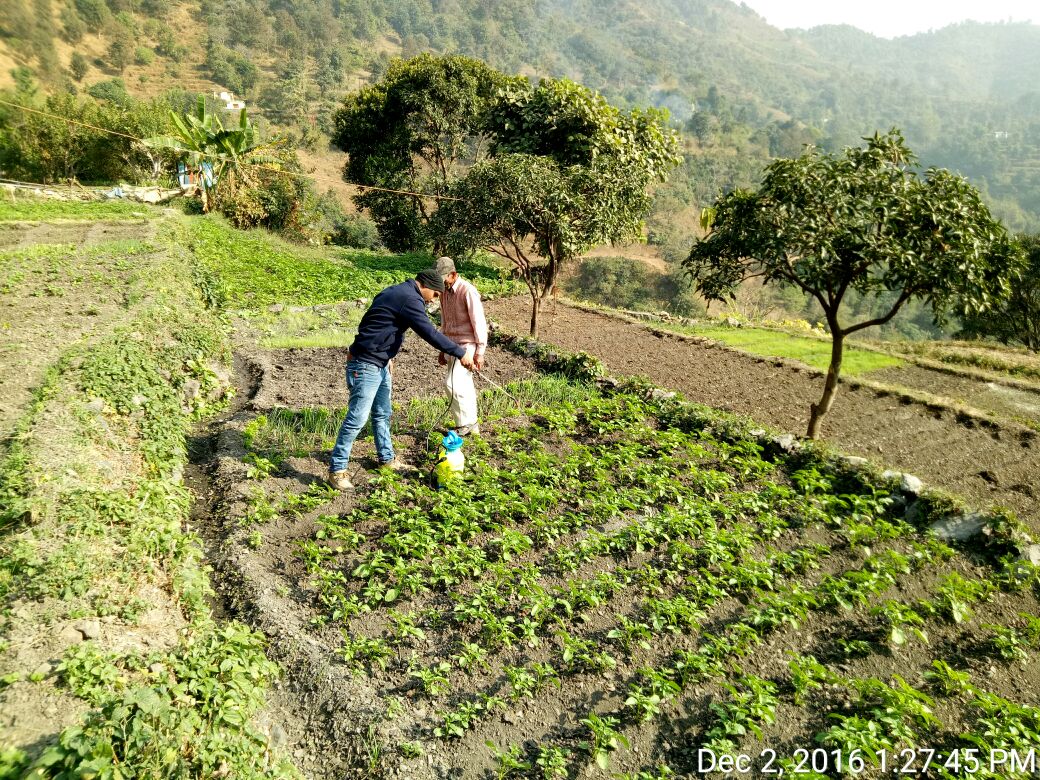
Supporting community participation in watershed development, natural resource management and sustainable rural development.
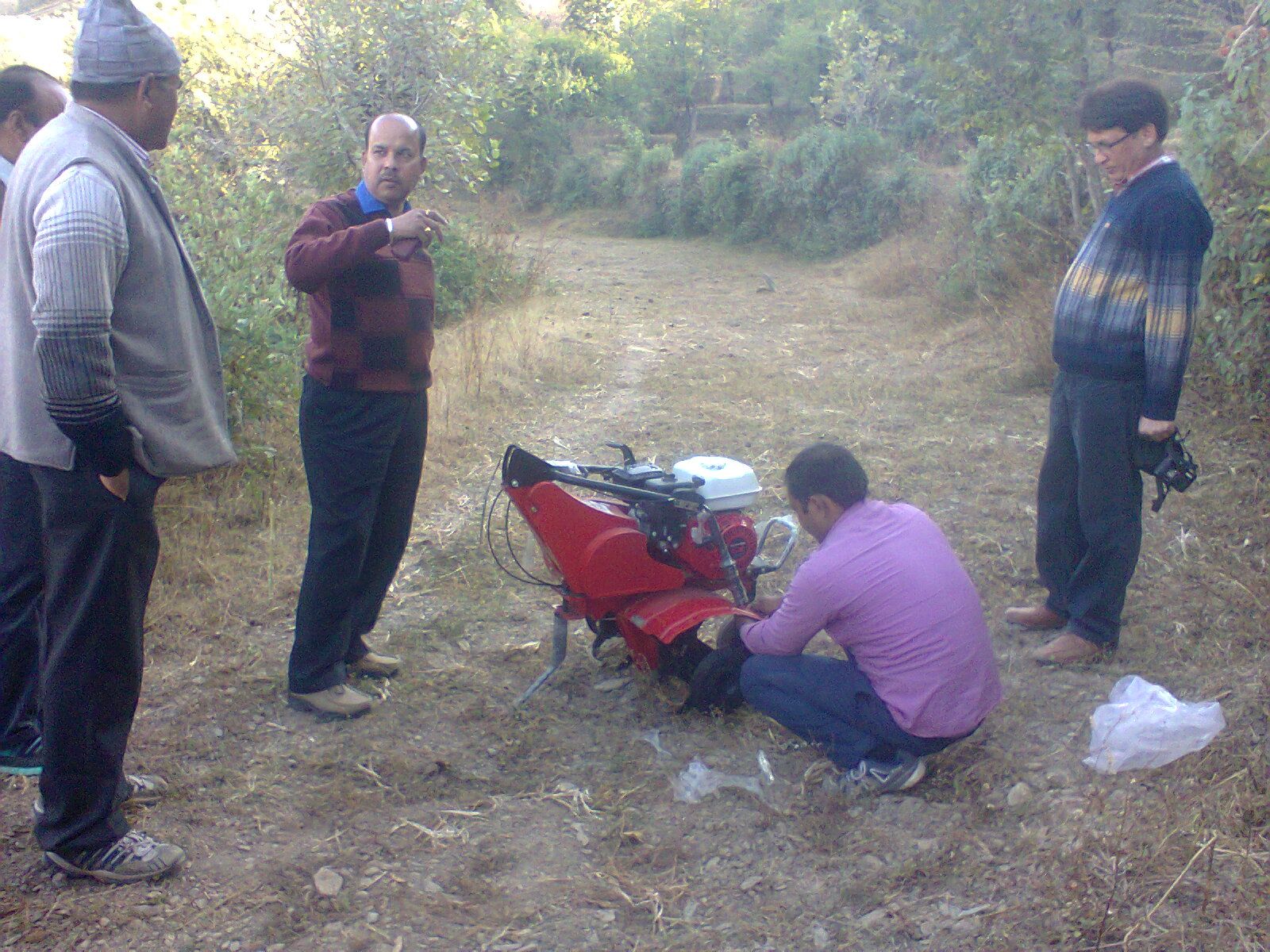
Working under GRAMYA-II in the Vikasnagar Watershed Division to strengthen community capacities and sustainable resource-based livelihoods.
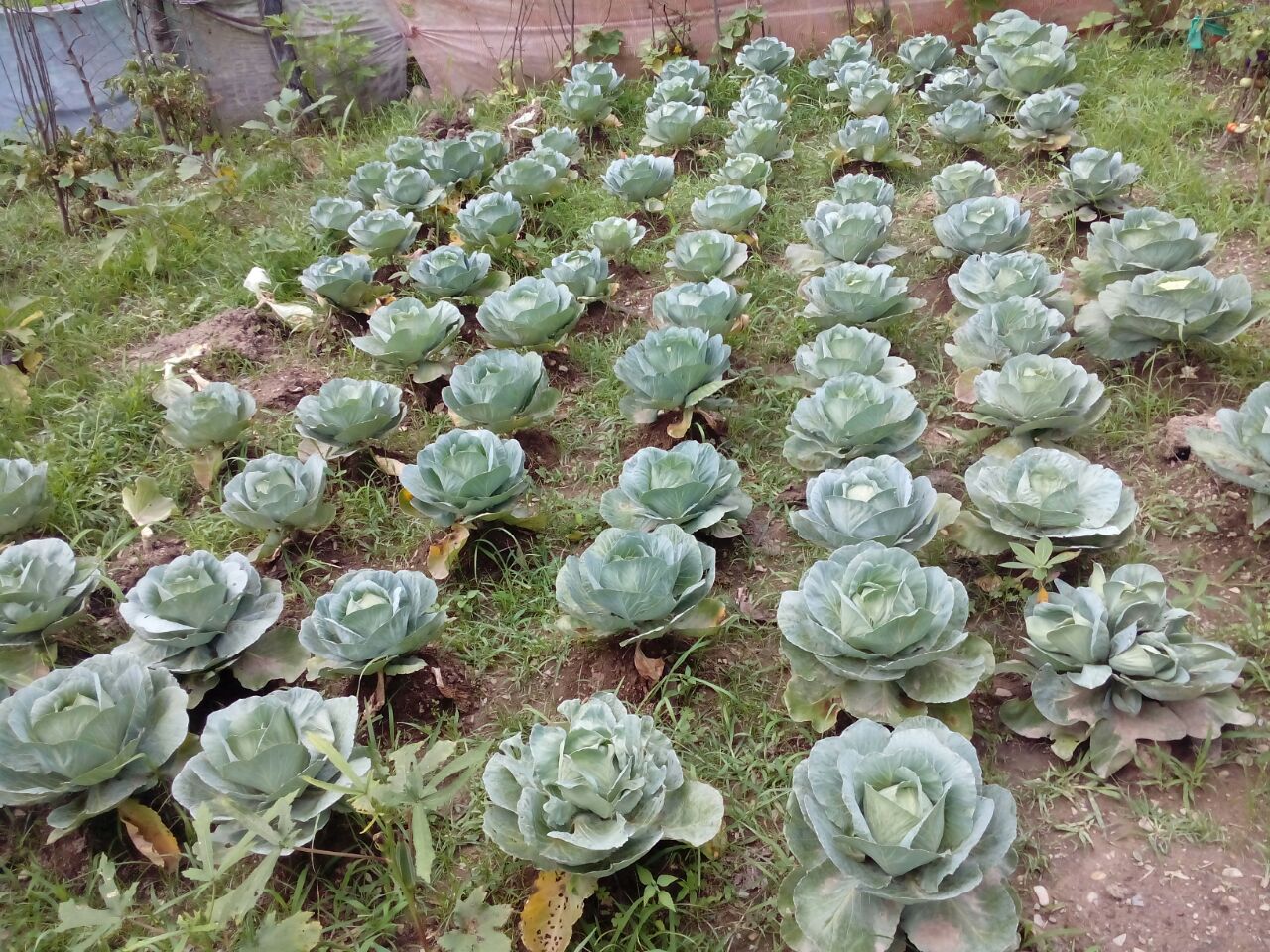
Supporting sustainable watershed management and community participation in conservation and natural resource management.
Promoting ecological restoration, watershed treatment and sustainable management of natural resources.

Focusing on micro-watershed development, soil and water conservation and community-led natural resource management.

Implemented in Kalsi Block of Dehradun district, focusing on watershed health, natural resource conservation and community participation.
Working with communities in Kalsi and Chakrata Blocks to promote participatory forest protection, restoration and sustainable resource management.
SPD's biodiversity work combines ecological restoration, sustainable resource management and community stewardship.
Promoting afforestation and reforestation using indigenous species to strengthen forest ecosystems and ecological resilience.
Supporting the regeneration and protection of degraded forests through community participation and sustainable management.
Implementing watershed treatment and conservation measures to improve soil health, water retention and watershed function.
Promoting agroforestry and sustainable agricultural practices that integrate ecological conservation with community livelihoods.
Supporting conservation of local flora and fauna and increasing awareness about the importance of Himalayan biodiversity.
Contributing to the restoration of degraded habitats and landscapes while reducing soil erosion and land degradation.
SPD's conservation approach recognizes local communities as important partners in protecting Himalayan ecosystems. By strengthening community institutions and encouraging participatory natural resource management, communities are better positioned to take collective responsibility for their natural environment.
Sustainable livelihoods are also an important part of conservation. Creating livelihood opportunities can help reduce pressure on natural resources while improving household resilience and community well-being.
Together, we can build a more resilient and sustainable future for the Himalayan region.